Video: Landscape Fabric Locating a Different
Without harming these origins, do your ideal to thoroughly remove any type of littles fabric around https://telegra.ph/garden-guides-07-06-2 the plants. There stand factors for eliminating landscape material, or avoiding its use entirely. Over time, landscape textile can weaken, leaving holes that weeds grow with. Torn bits as well as creases of abject landscape fabric can make a freshly mulched bed look worn-out. Plastic tarps are often used rather than landscaping fabric, which can enable weed roots to permeate gradually.
When the remainder of the fabric has actually been protected, you can put it under later. Designed beds usually have a border, so you can tuck the excess fabric nicely along the inside of the border. Simply press it down between the dirt and the boundary with a putty blade to conceal it. If you've chosen to attempt landscape textile, the complying with practices will certainly assist ensure the health of your plants as well as the durability of your landscape design.
Unfortunately, some gardeners have reported weeds growing in spite of the fabric. Likewise, if it's not covered immediately after setting, the material is quickly damaged by the sunlight.
The measurements of weed material have to be accurate and also it must be tightly repaired in the dirt. By setting up a barrier, we are cutting off its interaction with all the nutrients important to a weed's development.
When should you not Commercial Landscaping use landscape fabric?
If you choose to lay new fabric, use only top quality landscape fabric. Pin down the new fabric tightly, with no wrinkles, and then recover the area with rock or mulch. Be especially careful when pulling Great post to read up landscape fabric around existing plants. Plant roots may have grown through the old landscape fabric.
- If making use of stone, you may require less than 2 inches for full insurance coverage, depending upon the rock as well as the planned use the area.
- Place a 2- to 3-inch layer of compost in addition to the plastic tarpaulin.
- Bring a solution of about 1 mug salt in 2 cups water to a boil.
- Present the landscape material so it is parallel to the long dimension of the area.
Will landscaping fabric kill grass?
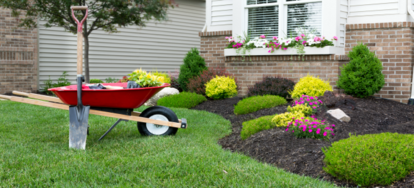
In permanent landscapes, plant roots will grow into and through the landscape fabric. At some point in the future when it is replaced (needs to be replaced every 10 years or so), you will damage the roots.
It's likewise a good price for the quantity of textile you're getting. The fabric is three layers of non-woven, needle-punched polypropylene. This material is more pricey, however the roll is 300 feet long! With this, you won't need to purchase multiples for big jobs and you'll possibly have some leftover. Sunbelt's landscape textile is constructed from woven plastic that is "UV stabilized".
Mark a circle around the grass at the base of the tree to indicate the size of your recommended bed. Lay a hose on the ground to suggest the size of the bed, or mark the turf with spray paint. Dig the soil inside the circle and get rid of all the grass and also weeds expanding within. Like any kind of various other part of the landscape you mount, planting ground covers under a tree starts with preparing the planting spot. You can grow ground protection for trees any time of the year, yet early in the spring and later in the loss are the most effective.
Is plastic or fabric better for landscaping?
Landscape fabric inhibits water from getting to the roots of your plants. With fabric, plants are forced to grow roots along the surface directly under the fabric to get water. Plants will struggle and many will eventually die, 2.
In permanent landscapes, plant origins will turn into and through the landscape fabric. At some point in the future when it is changed (needs to be replaced every ten years or two), you will certainly harm the roots. Weed barrier fabric is no better for managing weeds than a 4 inch layer of compost.
What should I put down under River Rock?
One of the major uses of landscape fabric is to help control weeds in planting beds, under decks and beneath patios and paths. Fabrics work to block weed growth by shutting out light while allowing air and moisture in. For many years, plastic sheeting was used for the job of weed control.